Service and Celebration: On Black Foodways, Hospitality, and Boarding House Culture

February 28, 2026

Event Details

Date: February 28, 2026
Time: 2:00 pm
–3:15 pm

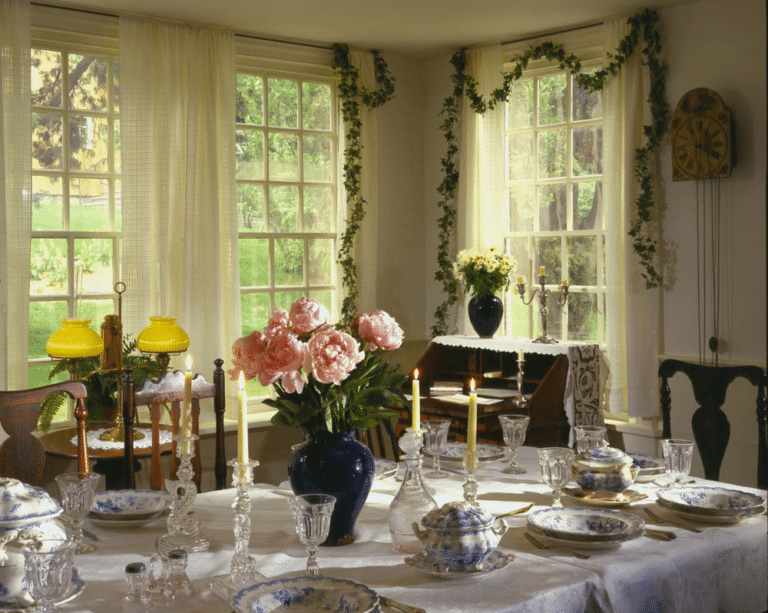
Our annual Winter Lecture Series provides introspective insight into the diverse individuals who made the Holley Boarding House a groundbreaking hub of creative expression. Only 100 years after the Declaration of Independence, the Cos Cob area was a true melting pot of people, ideas, and creativity. The unique individuals who found their home in Cos Cob represent the wider cultural diversity of the United States at the turn of the 19th century and their lasting impact on our country’s culture. Explore the people behind the boarding house in this three-part lecture series complementing our newest exhibition in celebration of America 250, The Holley Boarding House: Inspiring American Impressionism, on view through March 8, 2026.
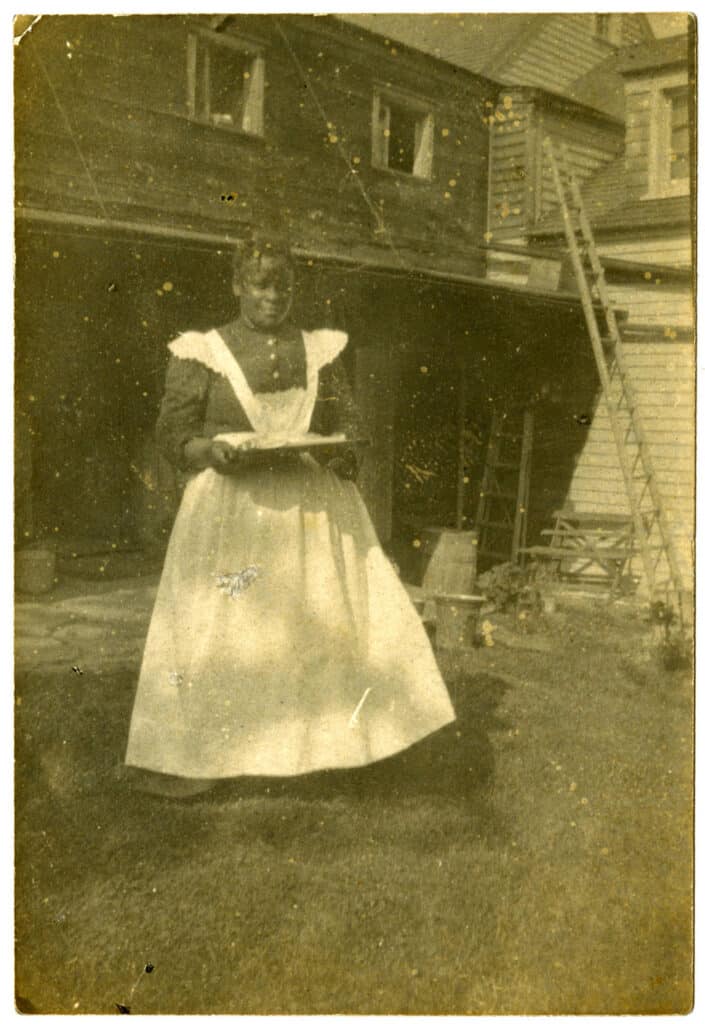
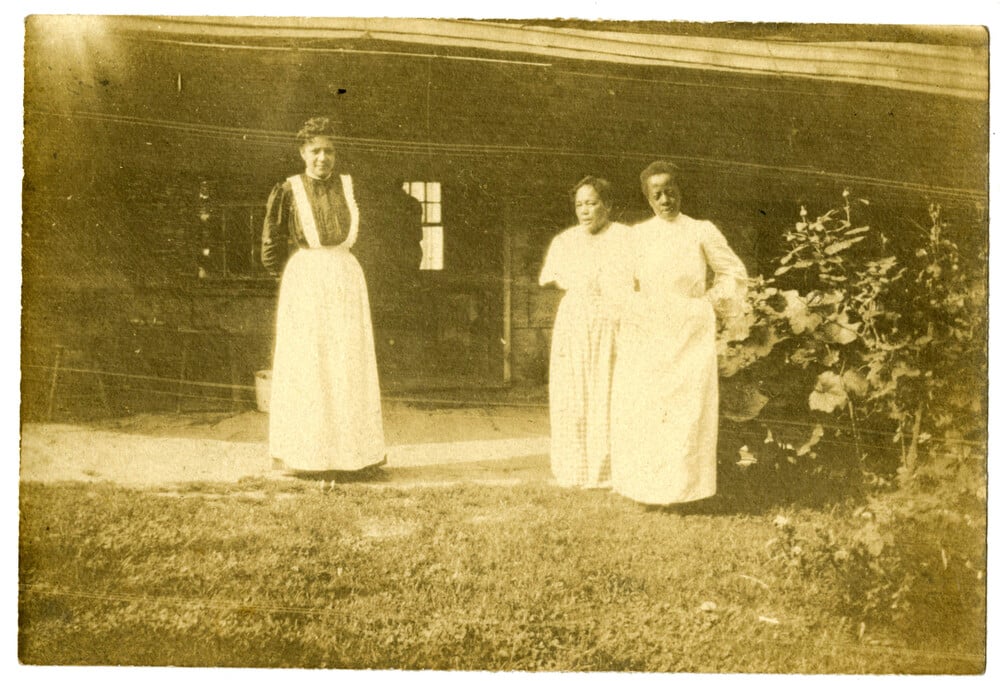
Louisa Brooks and Lucy Davis are two of the many people influenced by the Holley House —they were contract employees who came to the boarding house through the New York Colored Mission’s employment program. Records suggest that one of the women may have migrated from Virginia and the other from the Caribbean which would make them similar to so many Black women heading to New York in the early 20th century. There they rented rooms, found space in boarding houses, and earned their first wages working in kitchen or parlors. In Service and Celebration— with the help of images, recipes, oral histories, and literature— we’ll consider the history that informs their work in hospitality and the service industry; experiences as lodgers; and their cultural contributions to the diverse Black community emerging in early 20th-century New York City. 

Exclusive Tour

In conjunction with this lecture, the Historical Society will host a special tour of the newest exhibition, The Holley Boarding House: Inspiring American Impressionism. Held prior to the lecture, the tour is an additional cost and can be purchased as a bundle with the lecture.

Register below
Speaker Biography

Dr. Frank Mitchell

Committee Chair, CT Humanities

Frank Mitchell is a cultural organizer in visual arts and public humanities committed to following the histories shared by monuments, civic spaces, and cultural institutions. As curatorial adviser for the Toni N. and Wendell C. Harp Historical Museum at The Dixwell Community House, Mitchell managed design and planning of gallery and collections storage for the building’s 2021 opening. He is The Amistad Center for Art & Culture’s curator at large, and during his tenure Mitchell managed collections and interpretation for the 2015 site renovation.


He was a consultant to SmokeSygnals, the Indigenous-led exhibition design firm, on Mystic Seaport’s 2024 exhibition Entwined: Freedom, Sovereignty, and the Sea; for Connecticut Public Radio’s 2024 podcast Unforgotten: Connecticut’s Hidden History of Slavery, Mitchell was editorial consultant. His publications include the 2019 exhibition catalog Afrocosmologies: American Reflections, the 2015 edited volume African American Connecticut Explored, and the essay “Of Kindred Generations: Magic, Monuments, and Images from Sites of Black Resilience,” in the catalog for the 2025 Florence Griswold Museum exhibition Their Kindred Earth: Photographs by William Earle Williams.


Mitchell’s curatorial projects include the exhibitions Freedomways, Love Overflowing: HOME and the Décor of Freedom, Timeless: Telling Our Neighborhood Stories—Chapter 1: Constance Baker Motley, The Nutmeg Pulpit: Hartford’s Talcott Street Church & Black Community Formation, Finding Freeman|s: Wisdom for Contemporary Cornwall from its 19th century Black & Indigenous Neighbors, and Afrocosmologies: American Reflections. Mitchell holds a Doctor of Philosophy degree in American Culture from the University of Michigan, a Master of Arts degree in African American Studies from Yale University, and a Bachelor of Arts degree from Bowdoin College. He began work in museums as a programmer at the Smithsonian’s Anacostia Museum and The Studio Museum in Harlem. He serves as chair of the CTHumanities board, treasurer of the NEFA board, and a member of the Elm Shakespeare Company’s board.